
Posted on

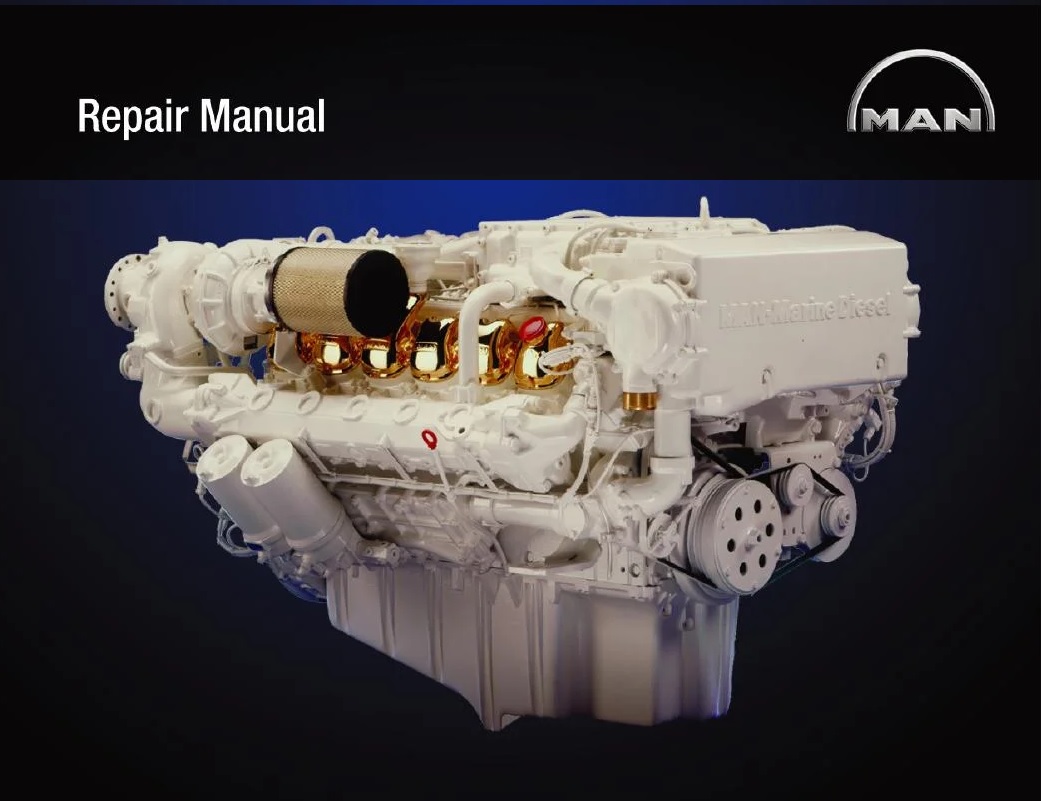
MAN Marine Diesel Engine D2848 D2840 D2842 Service Manual

MAN Marine Diesel Engine D2848 D2840 D2842 Service Manual

MAN Marine Diesel Engine D2848 D2840 D2842 Service Manual, Specifications, Maintenance, and Repair Guide

The MAN Marine Diesel Engines—specifically the D2848, D2840, and D2842 models—are lauded for their exceptional performance, durability, and efficiency. These engines have powered a wide range of vessels, from luxury yachts to commercial ships, and are known for their reliability. However, to maintain their peak performance, these engines require regular maintenance and occasional repairs. In this article, we’ll explore the distinct features and specifications of these engines, delve into common maintenance challenges, and offer essential repair advice. We’ll also emphasize the critical importance of using an official service manual to ensure that all work is performed correctly and to the highest standards.

Unique Specifications of MAN Marine Engines: What Sets the D2848, D2840, and D2842 Apart?

MAN D2848: V8 Power and Precision

  • Engine Configuration: V8
  • Engine Displacement: 16.2 liters
  • Horsepower Output: 600-800 hp (depending on the specific model)
  • Cooling System: Advanced water-cooled system with intercooler
  • Fuel Injection System: Direct injection for optimized fuel efficiency

MAN D2840: The Versatile V10 Workhorse

  • Engine Configuration: V10
  • Engine Displacement: 18.3 liters
  • Horsepower Output: 800-1000 hp (model-dependent)
  • Cooling System: Water-cooled with intercooler for enhanced heat management
  • Fuel Injection System: Precision direct injection system

MAN D2842: High-Power V12 Engine

  • Engine Configuration: V12
  • Engine Displacement: 24.2 liters
  • Horsepower Output: 1000-1200 hp (varies by model)
  • Cooling System: Efficient water-cooled system with intercooler
  • Fuel Injection System: High-performance direct injection

These engines are meticulously engineered for top-tier performance in demanding marine environments, each tailored to meet specific power requirements, making them ideal for a diverse range of marine applications.

Common Challenges in Maintaining MAN Marine Engines: Proactive Measures for Longevity

Fuel System Integrity: Guarding Against Contaminants

  • Key Issue: Contaminants such as water, algae, and debris can infiltrate the fuel system, leading to clogged injectors and diminished engine efficiency.
  • Preventative Action: Regularly replace fuel filters and clean the fuel system to maintain optimal engine performance.

Cooling System Care: Preventing Overheating Catastrophes

  • Key Issue: The cooling system is critical to preventing engine overheating. Saltwater corrosion, scale buildup, and worn impellers can lead to system failures.
  • Preventative Action: Routine inspection, descaling, and timely replacement of components are essential to keep the cooling system functioning properly.

Exhaust System Maintenance: Combatting Marine Corrosion

  • Key Issue: The marine environment is tough on exhaust systems, often leading to corrosion and leaks.
  • Preventative Action: Regular inspection and prompt repair of corroded components can prevent more severe damage.

Oil Leak Detection: Ensuring Proper Engine Lubrication

  • Key Issue: Worn seals and gaskets can cause oil leaks, reducing lubrication and increasing the risk of engine damage.
  • Preventative Action: Regularly inspect and replace seals and gaskets to maintain optimal engine lubrication.

Turbocharger Maintenance: Keeping the Power Boost in Check

  • Key Issue: Turbochargers, essential for boosting engine power, are prone to wear, including bearing deterioration and oil leaks.
  • Preventative Action: Routine inspections and maintenance of the turbocharger are crucial to sustaining engine performance.

Essential Repair Strategies for MAN Marine Diesel Engines: Ensuring Long-Term Reliability

Prioritize Genuine Parts: Quality Over Compromise

  • Repair Tip: Always use genuine MAN parts for replacements. Non-OEM parts may not meet the stringent quality standards required for these engines, potentially leading to further issues.

Adhere to Manufacturer’s Torque Guidelines: Precision Matters

  • Repair Tip: Correct torque specifications are vital when reassembling components. Over-tightening or under-tightening can cause mechanical failures.

Lubrication is Key: Don’t Skimp on Oil Quality

  • Repair Tip: Ensure all moving parts are properly lubricated with the recommended oil grade. Regular oil changes, as per the manufacturer’s schedule, are crucial for preventing friction and wear.

Invest in Regular Diagnostics: Catch Issues Early

  • Repair Tip: Utilize diagnostic tools to regularly assess the engine’s performance. Early detection of problems can prevent small issues from escalating into major repairs.

Cooling System Vigilance: Avoiding Overheating

  • Repair Tip: Regularly check and replace coolant, inspect heat exchangers, and ensure the seawater pump is operational. This can prevent overheating and potential engine damage.

The Critical Role of the Official Service Manual: Your Key to Proper Maintenance and Repairs

For anyone responsible for the upkeep of a MAN Marine Diesel Engine, the MAN Marine Diesel Engine D2848 D2840 D2842 Service Manual is an indispensable resource. This official manual is packed with detailed diagrams, comprehensive step-by-step instructions, and essential information for every aspect of engine maintenance and repair.

Why the Official Service Manual is Essential:

  • Accurate, Manufacturer-Specific Information: Authored by the manufacturer, the manual ensures accuracy and reliability, eliminating guesswork.
  • Comprehensive Diagrams: Detailed illustrations of engine components aid in understanding how parts fit together and how to properly disassemble and reassemble them.
  • Step-by-Step Instructions: Whether performing routine maintenance or complex repairs, the manual offers clear guidance that ensures the work is done correctly.
  • Trust and Credibility: Using the official manual reinforces the trustworthiness of the maintenance process, ensuring adherence to the highest standards set by the manufacturer.

Real-World Experiences with MAN Engines: Testimonials from the Field

Yacht Owner’s Perspective: “I’ve been running a MAN D2842 on my vessel for over a decade. The engine has been incredibly reliable, and with regular maintenance, I’ve avoided any major issues. The official service manual has been my go-to resource for every service.”

Marine Engineer’s Insight: “These engines are built like tanks, but they do require careful maintenance. The cooling system is particularly crucial, and following the manual’s guidance on descaling and inspections has saved me from potential disasters on more than one occasion.”

Conclusion: The Path to Prolonged Engine Life and Optimal Performance

The MAN Marine Diesel Engine D2848, D2840, and D2842 models represent the pinnacle of marine engineering, designed to deliver unmatched power and reliability. However, these engines require diligent maintenance and careful repair to continue performing at their best. By utilizing the official MAN Marine Diesel Engine D2848 D2840 D2842 Service Manual, you ensure that your engine is maintained to the highest standards, securing its longevity and performance for years to come.

Service Manuals for Download

MAN Marine Diesel Engine D 2848 LE, D 2840 LE, D 2842 LE Service Manual

  • MAN Marine Diesel Engine D 2848 LE 403
  • MAN Marine Diesel Engine D 2848 LE 405
  • MAN Marine Diesel Engine D 2840 LE 403
  • MAN Marine Diesel Engine D 2842 LE 404
  • MAN Marine Diesel Engine D 2842 LE 407
  • MAN Marine Diesel Engine D 2842 LE 410
  • MAN Marine Diesel Engine D 2842 LE 414
  • MAN Marine Diesel Engine D 2842 LE 415
  • MAN Marine Diesel Engine D 2842 LE 416
  • MAN Marine Diesel Engine D 2842 LE 417

MAN Marine Diesel Engine D 2848 LXE / LE,  D 2840 LXE / LE, D 2842 LYE / LZE / LE Service Manual

  • MAN Marine Diesel Engine D 2848 LXE /LE 401 / 403 / 405
  • MAN Marine Diesel Engine D 2840 LXE /LE 401 / 402 / 407
  • MAN Marine Diesel Engine D 2842 LYE / LZE / LE 401/402/403/406/408/411/412/413
Posted on

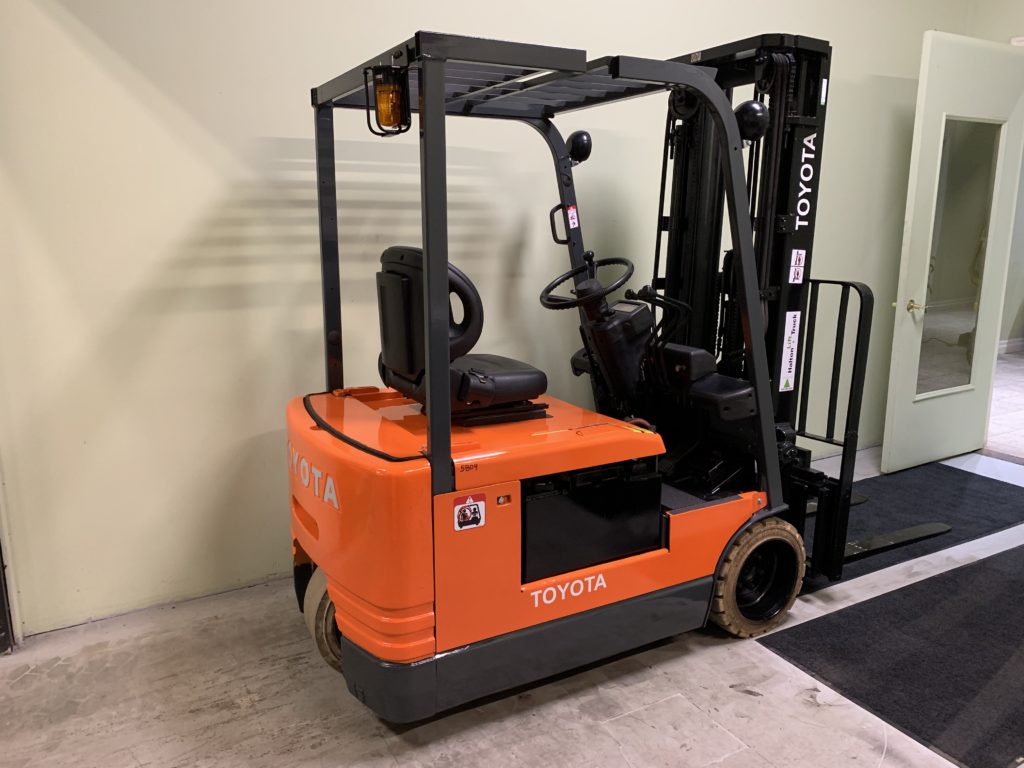
Toyota 5FBE15 Forklift Service Manual

Toyota 5FBE15 Forklift: Comprehensive Guide to Specifications, Maintenance, Service, and Repair

The Toyota 5FBE15 forklift is a popular choice in the material handling industry, known for its reliability, efficiency, and maneuverability. Whether you’re a seasoned operator or a business owner managing a fleet, understanding the key specifications, common maintenance issues, and essential repair tips for this forklift is crucial to ensuring its longevity and optimal performance.

Key Specifications of the Toyota 5FBE15 Forklift

The Toyota 5FBE15 is an electric three-wheel counterbalanced forklift, ideal for indoor applications such as warehouses, manufacturing plants, and distribution centers. Here are the key specifications:

  • Load Capacity: 3,000 lbs (1,500 kg)
  • Power Type: Electric, using a 48V battery
  • Lift Height: Up to 189 inches (4,800 mm) depending on the mast configuration
  • Travel Speed: Approximately 9 mph (14.5 km/h)
  • Turning Radius: 59.1 inches (1,500 mm), providing excellent maneuverability in tight spaces
  • Tires: Cushion tires, suitable for smooth indoor surfaces

These specifications make the 5FBE15 an excellent choice for environments where space is limited and precise handling is required. Its electric powertrain also ensures lower operating costs and reduced emissions, making it an environmentally friendly option.

Common Maintenance Issues

Like any piece of industrial equipment, the Toyota 5FBE15 requires regular maintenance to keep it running smoothly. Based on user experiences and industry reports, some common maintenance issues include:

  1. Battery Degradation: The 48V battery is the lifeblood of the 5FBE15. Over time, batteries can degrade, leading to reduced runtime and power output. Regularly check the battery’s water levels, clean terminals, and ensure proper charging practices to extend its lifespan.
  2. Tire Wear: The cushion tires on the 5FBE15 are durable but can wear down, especially if used on rough surfaces. Regular inspections and timely replacements are essential to maintain stability and safety.
  3. Brake Wear: Frequent use in stop-and-go applications can cause brake pads to wear out. Routine brake inspections should be part of your maintenance schedule to avoid costly repairs and ensure operator safety.
  4. Hydraulic System Leaks: The hydraulic system controls the lifting and tilting functions of the forklift. Leaks in hydraulic lines or cylinders can lead to reduced lifting capacity and slower operation. Regularly inspect for leaks and ensure all seals are intact.
  5. Electrical System Issues: Given that the 5FBE15 is electrically powered, its electrical system is complex and requires attention. Issues such as corroded connectors, faulty wiring, or sensor failures can cause operational problems. Routine checks and using only genuine parts for replacements are key to avoiding these issues.

Essential Repair Tips

When it comes to repairing the Toyota 5FBE15, having the right tools, knowledge, and resources is critical. Here are some repair tips based on expert advice and real-world experiences:

  1. Use Genuine Parts: Always use genuine Toyota parts for repairs. This ensures compatibility, reliability, and safety. Aftermarket parts may be cheaper, but they often lack the quality and durability of OEM parts.
  2. Follow the Official Service Manual: The Toyota 5FBE15 service manual is an invaluable resource for anyone maintaining or repairing this forklift. Available on ServiceManuals.club, this manual provides detailed diagrams, step-by-step instructions, and troubleshooting tips from Toyota’s engineers. Whether you’re performing routine maintenance or tackling a complex repair, the manual offers authoritative guidance to ensure the job is done right.
  3. Prioritize Safety: Forklift repairs can be dangerous, especially when dealing with high-voltage electrical systems or heavy components. Always follow safety protocols, wear appropriate personal protective equipment (PPE), and ensure the forklift is powered down and secured before starting any repairs.
  4. Regularly Update Maintenance Records: Keep detailed records of all maintenance and repairs. This not only helps track the forklift’s condition but also aids in diagnosing recurring issues and planning future maintenance schedules.
  5. Seek Professional Help When Needed: While some repairs can be done in-house, others may require professional expertise. Don’t hesitate to consult a certified Toyota technician if you’re unsure about a repair. Their experience and access to specialized tools can save time and prevent costly mistakes.

Real-World Experiences and Testimonials

Operators and fleet managers who use the Toyota 5FBE15 often praise its reliability and performance. One warehouse manager noted, “The 5FBE15 has been a workhorse in our facility for over five years. With regular maintenance and using the service manual from ServiceManuals.club, we’ve kept it running smoothly without major issues.”

Another user shared, “We had some initial battery issues, but after following the maintenance tips in the service manual, we’ve managed to extend the battery life significantly. The detailed diagrams and instructions are a lifesaver.”

These testimonials highlight the importance of proper maintenance and the value of having an official service manual at your disposal.

Conclusion: The Importance of Using the Official Service Manual

Maintaining and repairing a Toyota 5FBE15 forklift doesn’t have to be a daunting task. By understanding its key specifications, being aware of common maintenance issues, and following essential repair tips, you can ensure your forklift remains in top condition. The official Toyota 5FBE15 forklift service manual is an essential tool in this process. Its detailed, authoritative content not only guides you through routine maintenance but also helps you tackle more complex repairs with confidence.

Investing in the proper tools and resources, including the service manual, is crucial to keeping your Toyota 5FBE15 forklift operational, safe, and efficient for years to come.

Posted on

MAN Marine Diesel Engine V8-900 V10-1100 V12-1360 V12-1550 V12-1224

1. Overview of MAN Marine Diesel Engines

  • Manufactured by: MAN Truck & Bus SE, a German engineering company renowned for producing high-performance diesel engines.
  • Applications: These engines are typically used in commercial and leisure marine vessels, known for their reliability, fuel efficiency, and power.

2. Engine Specifications

Model Configuration Power Output Displacement Maximum Torque Weight
V8-900 V8 900 HP 16.16 L 3,700 Nm ~ 1,850 kg
V10-1100 V10 1,100 HP 21.55 L 4,500 Nm ~ 2,100 kg
V12-1360 V12 1,360 HP 24.24 L 6,000 Nm ~ 2,500 kg
V12-1550 V12 1,550 HP 24.24 L 6,300 Nm ~ 2,500 kg
V12-1224 V12 1,224 HP 24.24 L 5,800 Nm ~ 2,500 kg

3. Features and Benefits

  • Fuel Efficiency: These engines are designed for optimal fuel consumption, which is a crucial factor for marine applications. The advanced fuel injection systems ensure efficient combustion, reducing operational costs.
  • Durability and Reliability: MAN engines are built for endurance. The use of high-quality materials and precision engineering means these engines can handle extreme conditions while maintaining performance.
  • Compact Design: Despite their power, these engines are relatively compact, allowing for easier installation and more space-saving designs in engine rooms.
  • Electronic Control: The engines come equipped with advanced electronic control systems that monitor engine performance, providing real-time data and diagnostics. This makes it easier for mechanics to service and troubleshoot the engines.
  • Environmental Compliance: These engines meet stringent emission standards, making them an environmentally responsible choice for marine operations.

4. Maintenance and Servicing

  • Regular Servicing: To ensure longevity, regular servicing is vital. This includes oil changes, fuel filter replacements, and coolant system maintenance. Adhering to the manufacturer’s recommended service intervals will help in preventing major issues.
  • Inspection of Key Components: Mechanics should regularly inspect the turbochargers, injectors, and intercoolers as these are critical to the engine’s performance. Wear and tear in these components can lead to significant performance drops.
  • Coolant System Maintenance: The engines are water-cooled, and maintaining the coolant system is essential to avoid overheating. Regularly check for leaks, and ensure the coolant is topped up with the correct mixture.
  • Fuel System Care: MAN diesel engines are sensitive to fuel quality. Regularly clean or replace fuel filters and inspect the fuel lines for any signs of contamination or blockage.
  • Valve Adjustment: Over time, valve clearances can change, affecting engine performance. Regular adjustment is necessary to maintain optimal performance.

5. Common Issues

  • Turbocharger Wear: Due to high operational demands, turbochargers can experience wear. Mechanics should check for signs of oil leakage or unusual noises, indicating a need for servicing or replacement.
  • Overheating: Poor coolant maintenance or a blocked heat exchanger can lead to overheating, which is detrimental to engine life. Regular checks of the cooling system are crucial.
  • Oil Leaks: Given the high-pressure environment within these engines, oil leaks can occur at seals and gaskets. Regular inspection can help catch these issues early.

6. Vital Information for Owners and Mechanics

  • Original Parts: Always use MAN original parts for replacements to ensure the engine’s longevity and performance. Non-original parts can lead to inefficiencies or failures.
  • Service Documentation: Keep a detailed log of all services and repairs. This documentation can be crucial for warranty claims and maintaining the engine’s resale value.
  • Training: Mechanics servicing MAN engines should be trained and certified by MAN to ensure they are familiar with the specific nuances of these engines.
  • Engine Software Updates: MAN periodically releases software updates for the engine’s electronic control units (ECUs). Keeping this software up to date ensures optimal engine performance and diagnostics.

7. Technical Support and Resources

  • Service Manuals: Owners and mechanics should always refer to the official MAN service manuals for detailed instructions on maintenance and repairs.
  • Customer Support: MAN provides comprehensive customer support, including access to technical advice, service bulletins, and repair guides.

8. Comparison with Competitors

  • Head-to-Head Analysis
    • Compare MAN Marine Diesel Engines with similar models from competitors like Caterpillar, Volvo Penta, or MTU.
  • Strengths and Weaknesses
    • Strengths: Superior power output, advanced control systems, and fuel efficiency.
    • Weaknesses: Higher initial cost and maintenance demands compared to some competitors.
  • Value for Money
    • Overall assessment of the engines’ value based on performance, durability, and long-term operating costs.

9. Resources and Downloads

  • Service Manuals
  • Parts Diagrams
    • Exploded parts diagrams to help identify components and source replacement parts.
  • Additional Guides
    • Links to helpful resources like repair videos, installation guides, and troubleshooting flowcharts.

10. Conclusion

Owners and mechanics of MAN Marine Diesel Engines—V8-900, V10-1100, V12-1360, V12-1550, and V12-1224—should prioritize regular maintenance and use original parts to ensure the longevity and reliability of these powerful engines. With their advanced technology, these engines provide superior performance but require careful attention to servicing to maintain their peak condition.

This information should help both current and prospective owners understand the importance of proper care and the features that make these engines stand out in marine applications.